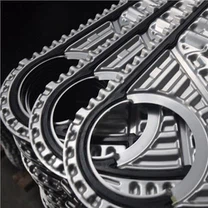
Plate heat exchanger is a kind of high-efficiency heat exchange equipment, which is widely used in heating, air conditioning, chemical, food processing and other industries. In the process of use, due to the water contains a variety of minerals and impurities, long-term operation will form scale inside the heat exchanger, affecting the heat transfer efficiency, and even lead to equipment failure. Therefore, regular descaling and cleaning of plate heat exchangers is a necessary maintenance measure.
The following is a detailed description and comparison of the advantages and disadvantages of the three cleaning methods: high-pressure flushing, chemical cleaning and system backwashing:
1. High-pressure flushing
High-pressure flushing is the use of high-pressure water gun generated by the powerful water flow on the plate heat exchanger cleaning, remove dirt and sediment. This type of cleaning is simple, fast and suitable for lighter scale.
Advantage:
-Easy to operate, no need for complex equipment and specialized personnel;
-Cleans intuitively and removes surface dirt quickly;
-Less damage to equipment and no corrosion of metal materials.
Disadvantage:
-Not as effective on harder scales and deposits;
-May impact the heat exchanger seals and affect sealing performance;
-Requires an adequate high-pressure water source on site.
2. Chemical cleaning
Chemical cleaning is the use of chemicals to react chemically with the scale, causing it to dissolve or transform into a water-soluble substance, which is then rinsed away by water.
Advantage:
-Strong adaptability to different types of scale and good cleaning effect;
-Cleans deep inside the heat exchanger and is highly effective on hard-to-reach dirt;
-Cleaning can form a protective film on the surface of the equipment, delaying the re-generation of scale.
Disadvantage:
-Chemicals may be harmful to the environment and human beings, and waste liquids need to be disposed of properly;
-The operation process requires professional guidance and high safety and protection requirements for the operator;
-Chemical cleaning may cause corrosion of certain metal materials.
3. System backwashing
System backwashing is used to clean the scale inside the heat exchanger by changing the direction of fluid flow and utilizing the scouring effect of the fluid.
Advantage:
-Cleans using the system's own fluids without the need for additional equipment and chemicals;
-Non-corrosive to equipment and will not pollute the environment;
-Can be carried out without stopping the machine and does not affect the production operation.
Disadvantage:
-Limited effectiveness in cleaning stubborn scale;
-Needs to be supported by appropriate system design and may require modification of legacy systems;
-For complex heat exchanger internal structure, backwashing may not be able to clean completely.
In general, the choice of which cleaning method should be based on the specific use of the heat exchanger, the type of scale, the material of the equipment and the degree of impact on the production operation to decide. In practice, several cleaning methods can also be used in combination to achieve the best cleaning effect.
Plate heat exchanger is a kind of high-efficiency heat exchange equipment, which is widely used in heating, air conditioning, chemical, food processing and other industries. In the process of use, due to the water contains a variety of minerals and impurities, long-term operation will form scale inside the heat exchanger, affecting the heat transfer efficiency, and even lead to equipment failure. Therefore, regular descaling and cleaning of plate heat exchangers is a necessary maintenance measure.
The following is a detailed description and comparison of the advantages and disadvantages of the three cleaning methods: high-pressure flushing, chemical cleaning and system backwashing:
1. High-pressure flushing
High-pressure flushing is the use of high-pressure water gun generated by the powerful water flow on the plate heat exchanger cleaning, remove dirt and sediment. This type of cleaning is simple, fast and suitable for lighter scale.
Advantage:
-Easy to operate, no need for complex equipment and specialized personnel;
-Cleans intuitively and removes surface dirt quickly;
-Less damage to equipment and no corrosion of metal materials.
Disadvantage:
-Not as effective on harder scales and deposits;
-May impact the heat exchanger seals and affect sealing performance;
-Requires an adequate high-pressure water source on site.
2. Chemical cleaning
Chemical cleaning is the use of chemicals to react chemically with the scale, causing it to dissolve or transform into a water-soluble substance, which is then rinsed away by water.
Advantage:
-Strong adaptability to different types of scale and good cleaning effect;
-Cleans deep inside the heat exchanger and is highly effective on hard-to-reach dirt;
-Cleaning can form a protective film on the surface of the equipment, delaying the re-generation of scale.
Disadvantage:
-Chemicals may be harmful to the environment and human beings, and waste liquids need to be disposed of properly;
-The operation process requires professional guidance and high safety and protection requirements for the operator;
-Chemical cleaning may cause corrosion of certain metal materials.
3. System backwashing
System backwashing is used to clean the scale inside the heat exchanger by changing the direction of fluid flow and utilizing the scouring effect of the fluid.
Advantage:
-Cleans using the system's own fluids without the need for additional equipment and chemicals;
-Non-corrosive to equipment and will not pollute the environment;
-Can be carried out without stopping the machine and does not affect the production operation.
Disadvantage:
-Limited effectiveness in cleaning stubborn scale;
-Needs to be supported by appropriate system design and may require modification of legacy systems;
-For complex heat exchanger internal structure, backwashing may not be able to clean completely.
In general, the choice of which cleaning method should be based on the specific use of the heat exchanger, the type of scale, the material of the equipment and the degree of impact on the production operation to decide. In practice, several cleaning methods can also be used in combination to achieve the best cleaning effect.
Plate heat exchanger is a kind of high-efficiency heat exchange equipment, which is widely used in heating, air conditioning, chemical, food processing and other industries. In the process of use, due to the water contains a variety of minerals and impurities, long-term operation will form scale inside the heat exchanger, affecting the heat transfer efficiency, and even lead to equipment failure. Therefore, regular descaling and cleaning of plate heat exchangers is a necessary maintenance measure.
hods can also be used in combination to achieve the best cleaning effect.