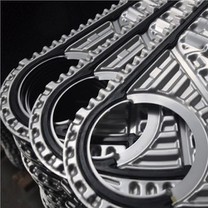
Operating points for plate heat exchangers in different areas
To ensure the normal operation of the plate heat exchanger is very important to the operation of the whole set of machines, we should pay attention to the machine's daily maintenance and maintenance, plate heat exchanger in different areas of operation is also to master the key points.
This is the plate heat exchanger manufacturer for our summary of the plate heat exchanger in the different areas of operation points.
1. Hot water heating:
Hot water heating, generally not high temperature, slow heating speed, stable operation, as long as the regular discharge of non-condensable gases, can ensure normal operation.
2. Steam heating:
Steam heating requires constant exclusion of condensate, or accumulate in the plate heat exchanger, part or all of it becomes no phase change heat transfer, heat transfer rate decreases. Also need to discharge non-condensable gas in a timely manner. Because the presence of non-condensable gas makes the steam condensation of the heat giving coefficient is greatly reduced.
3. Condensation:
Condensation operations require attention to the regular discharge of non-condensable gases from the steam side, especially under reduced pressure conditions.
4. Water and air cooling:
Operation requires attention to adjusting the amount of water and air according to seasonal changes, and when cooling with water, attention to regular cleaning.
5. Heat-conducting oil heating:
Heat-conducting oil heating is characterized by high temperature (up to 400℃), high viscosity, poor thermal stability, flammability and difficult temperature adjustment. When operating, strictly control the import and export temperature, regularly check whether the inlet and outlet orifices and medium runners are scaled, do regular drainage, regular emptying, filter or replace the heat-conducting oil.
6. Freezing brine cooling:
Its characteristics are low temperature, corrosive, plate heat exchanger in operation should be strictly controlled import and export temperature to prevent the crystallization of blocked media channels, to regularly empty and drainage.
7. flue gas heating:
Flue gas is generally used to produce steam or heating, vaporizing liquid, flue gas temperature is higher, and the temperature is not easy to adjust, in the operation process, to pay attention to the level of the heated material, flow and steam production, but also to do regular drainage.
With the widespread use of plate heat exchanger, plate heat exchanger operation needs to pay attention to more and more matters, after Isiop will continue to share for you to organize, you can also call directly to consult related issues.