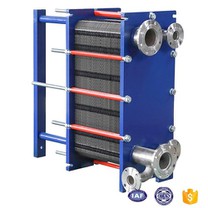
1, the equipment began to run when the operation, if the two media pressure is not the same, be sure to slowly open the low-pressure side of the valve, and then open into the high-pressure side of the valve. This operation can prevent the pressure difference is too large leading to plate deformation, or even breakdown, can better protect the heat exchanger, thereby extending the product life.
2, the equipment should work in strict accordance with the plate heat exchanger nameplate on the operating temperature and pressure range to run the operation. If the over-temperature value is too high over-pressure value is too high may destroy the gasket sealing performance resulting in leakage. Therefore, operation is strictly prohibited violent impact.
3, the same equipment should be slow to cut off the high-pressure side of the run, and then cut off the low-pressure fluid, please note that this is also to reduce the pressure difference, to protect the plate, help to extend the life of the equipment.
Plate heat exchanger in many production industries have been applied in the use of the process may encounter a number of different small problems, in order to plate heat exchanger use normal, long service life, I remind you of the big brother, must be combined with their own working conditions in accordance with the correct rules of the process to operate.
Ensure that the normal operation of the plate heat exchanger is very important to the operation of the whole set of equipment, we must pay attention to the daily maintenance and repair of equipment in addition to the plate heat exchanger in different areas of the operation of the key points must also be mastered. The following is the plate heat exchanger manufacturer for you to summarise the plate heat exchanger in different areas of the operating points.
1. Hot water heating: hot water heating, generally low temperature, slow heating rate, stable operation, as long as the regular discharge of non-condensable gases, can ensure normal operation.
2. Steam heating: steam heating must be constantly excluded from the condensate, otherwise accumulated in the heat exchanger, part or all of the heat transfer into the phase change, the rate of heat transfer decreases. At the same time must also be discharged in a timely manner non-condensable gases. Because the presence of non-condensable gases so that the steam condensation of the heat coefficient is greatly reduced.
3. Condensation: condensation operation requires attention is, regularly discharged steam side of the non-condensable gases, especially under reduced pressure conditions non-condensable gas emissions.
4. Water and air cooling: operation, pay attention to adjust the amount of water and air according to seasonal changes, with water cooling, but also pay attention to regular cleaning.
5. Heat transfer oil heating: heat transfer oil heating is characterised by high temperature (up to 400 ℃), viscosity, poor thermal stability, flammability, temperature regulation difficulties, the operation must be strict control of the import and export temperature, regularly check the inlet and outlet and whether the media flow path fouling to achieve regular sewage, regular venting, filtration or replacement of heat transfer oil.
6. Refrigerated brine cooling: it is characterised by low temperature, corrosive, plate heat exchanger should be operated strictly control the temperature of the import and export to prevent the crystallisation of blocking the media channel, to be regularly emptied and discharged.
7. flue gas heating: flue gas is generally used for the production of steam or heating, vaporisation of liquids, flue gas temperature is high, and the temperature is not easy to regulate, in the process of operation, it must always pay attention to the heated material level, flow rate and steam production, but also must be done on a regular basis to sewage.