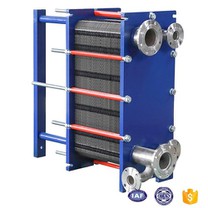
You may wonder, "A plate heat exchanger isn't a cast-iron pan, so why does it corrode?"
Although it looks strong and durable, a plate heat exchanger is actually more sensitive than many people realize.
Understanding why corrosion occurs-and how to prevent it-is essential for maintaining long-term performance and extending the service life of the equipment. Let's take a closer look at the most common causes of corrosion and the best ways to prevent it.
1. Why Do Plate Heat Exchangers Corrode? It Starts with the Process Fluid
To understand why corrosion occurs, it's important to look at the operating environment.
A plate heat exchanger works continuously with various process fluids. These fluids are often much more than plain water-they may contain acids, alkalis, salts, chlorides, or other chemical substances.
Over time, prolonged exposure to these fluids can gradually attack the metal plates.
When these chemicals come into contact with metal surfaces, chemical reactions occur. Acidic media can accelerate metal corrosion, while alkaline environments may promote oxidation under certain conditions.
Even deposits that appear harmless can create localized conditions that increase the risk of corrosion over time.
2. Material Selection Must Match the Operating Environment
Another major cause of corrosion is selecting plate materials that are not suitable for the operating conditions.
Plate heat exchangers are available with various plate materials, including stainless steel, titanium, and nickel alloys. Each material performs well under specific conditions, but none is suitable for every application.
For example, stainless steel performs very well in most clean water systems. However, when exposed to fluids containing high concentrations of chloride ions, it may suffer from pitting or crevice corrosion.
Titanium offers outstanding corrosion resistance, especially in aggressive environments, but its higher cost means it is usually selected only when the process medium requires superior protection.
Choosing the right plate material for the specific application is one of the most effective ways to prevent corrosion.
3. Lack of Regular Cleaning Accelerates Corrosion
Many operators follow the mindset of "If it isn't broken, don't fix it."
Unfortunately, this often results in plate heat exchangers operating for long periods without proper cleaning.
As fouling and scale accumulate on the plate surfaces, they not only reduce heat transfer efficiency but also create conditions that promote corrosion.
These deposits trap moisture and contaminants against the metal surface, allowing corrosion to develop underneath.
Routine cleaning removes these deposits before they become a serious problem, helping maintain both efficiency and equipment reliability.

4. Electrochemical Corrosion-The Hidden Threat
In addition to chemical corrosion, plate heat exchangers may also experience electrochemical corrosion.
Unlike chemical corrosion, electrochemical corrosion often develops gradually and is difficult to detect during normal operation.
It typically occurs when dissimilar metals are electrically connected in the presence of a conductive liquid.
Because the metals have different electrical potentials, an electrochemical reaction takes place, causing one metal to corrode more rapidly than the other.
This type of corrosion is more likely to occur in systems that use multiple metal materials or conductive process fluids.
5. Small Maintenance Issues Can Lead to Major Corrosion Problems
Corrosion is not always caused by unsuitable materials or poor water quality.
Aging gaskets and damaged seals can also contribute significantly.
When a gasket loses its sealing performance, process fluid may begin to leak through the sealing area.
Even a small amount of leakage can create localized corrosion around the affected area.
If these seemingly minor issues are ignored, they can eventually develop into serious equipment damage.
6.How to Prevent Plate Heat Exchanger Corrosion
Understanding the causes of corrosion is only the first step. The following preventive measures can help extend the service life of your plate heat exchanger.
1. Choose the Right Plate Material
Material selection should always be based on the characteristics of the process fluid.
If the application involves chloride-containing water, acidic solutions, or other corrosive media, corrosion-resistant materials such as titanium or Hastelloy may be the best choice.
For standard heating and cooling water systems, stainless steel is often sufficient.
Selecting the appropriate material significantly improves the heat exchanger's resistance to corrosion.
2. Maintain Good Fluid Quality
The quality of the process fluid plays a major role in corrosion prevention.
Reducing chloride concentration, maintaining an appropriate pH level, and controlling water chemistry can greatly slow corrosion.
In highly corrosive environments, corrosion inhibitors may also be added to provide additional protection for the heat exchanger.
3. Clean the Heat Exchanger Regularly
Regular cleaning is one of the most effective ways to prevent corrosion.
Removing scale, fouling, and other deposits helps maintain heat transfer efficiency while preventing corrosive conditions from developing on the plate surfaces.
The cleaning method should be selected carefully.
For example, acid cleaning is highly effective for removing scale, but excessive acid concentration or improper cleaning procedures may damage the plates.
Using suitable cleaning chemicals and following proper maintenance procedures is essential.
4. Prevent Electrochemical Corrosion
Electrochemical corrosion can be minimized by avoiding unnecessary contact between dissimilar metals during system design.
Where appropriate, cathodic protection systems may also be used to reduce corrosion.
Proper grounding of the equipment is another effective measure that helps minimize electrochemical corrosion in certain applications.
5. Perform Routine Inspection and Maintenance
Regular inspection is essential for identifying potential problems before they become serious.
Pay particular attention to the condition of the gaskets, seals, and heat transfer plates.
If a gasket shows signs of aging, cracking, or damage, replace it promptly to prevent leakage and localized corrosion.
Early detection and timely maintenance are key to ensuring reliable, long-term operation.
Conclusion
Plate heat exchanger corrosion is usually the result of several factors working together, including aggressive process fluids, unsuitable material selection, inadequate cleaning, electrochemical reactions, and insufficient maintenance.
Fortunately, most corrosion problems can be prevented through proper material selection, effective water quality management, routine cleaning, and regular equipment inspections.
By addressing these factors proactively, you can extend the service life of your plate heat exchanger, maintain high heat transfer efficiency, and reduce maintenance costs and unexpected downtime.