1. Leakage: The "fluid seepage" fault of the equipment
1.1 Fault Symptoms: Frequent fluid leakage
Fluid leakage refers to the seepage of media between heat exchanger plates. It is mainly divided into external leakage and internal leakage. External leakage means the medium overflows from the equipment shell, which can be detected easily. Internal leakage occurs when two types of media mix inside the exchanger. It is hard to spot, and usually only noticed when abnormal outlet temperature or medium deterioration appears.
1.2 Cause Analysis: Aging, improper installation and accidental damage
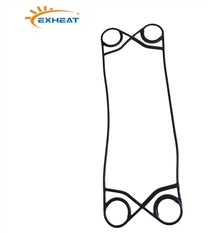
There are various causes for fluid leakage. The most common one is the aging or damage of sealing gaskets. Long-term exposure to temperature, pressure and chemical media will easily lead to aging and failure of the gaskets on plate heat exchangers. Besides, improper installation, such as misaligned gaskets, insufficient or excessive clamping force, is also a major cause of leakage. In addition, deformation or perforation of plates caused by accidental impact or incorrect operation will result in leakage as well.
1.3 Solutions: Inspection and Replacement of Sealing Gaskets and Plates
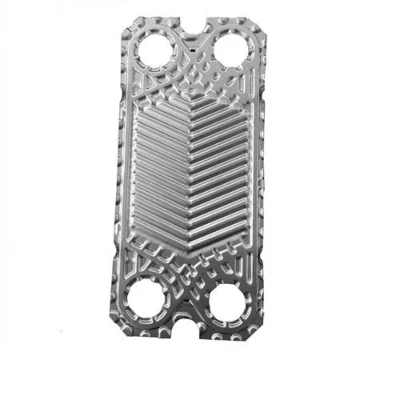
Once leakage is detected, shut down the equipment first and inspect the sealing gaskets. Replace the aged or damaged gaskets immediately. When installing new gaskets, clamp them in the specified order and with standard force to guarantee tight sealing. For damaged plates, replace them promptly to ensure the normal operation of the heat exchanger.
2. Reduced Heat Transfer Efficiency: Heat Transfer Blockage
2.1 Fault Symptoms: Substandard Temperature and Sharp Efficiency Drop
Reduced heat transfer efficiency is another common troublesome issue. It is typically manifested as outlet temperature failing to meet design requirements or unsatisfactory cooling performance. This fault directly undermines the stability of the production process and may even lower overall production efficiency.
2.2 Cause Analysis: Scaling, Clogging and Uneven Flow Rate
There are two primary causes for declining heat transfer efficiency: internal scaling and flow channel clogging. Scaling forms when calcium, magnesium ions and other substances in the fluid deposit on plate surfaces, creating an insulating layer that hinders heat transfer. Flow channel clogging is usually caused by accumulated solid particles and impurities, which leads to uneven fluid flow and further impairs heat exchange performance.
2.3 Solutions: Regular Cleaning and Flow Regulation
For scaling, regular chemical cleaning of the heat exchanger is the most effective solution to remove deposits on plate surfaces and restore heat transfer capacity. In case of flow channel clogging, shut down the equipment and disassemble the unit to clear impurities inside the channels. Meanwhile, adjust the fluid flow distribution to ensure even flow inside the exchanger and improve heat transfer efficiency.
3. Excessive Pressure Drop: Fluid Flow Resistance
3.1 Fault Symptoms: Increased Pressure Difference and Overloaded Pumps
Excessive pressure drop means the pressure difference between the inlet and outlet rises significantly when fluid passes through the heat exchanger. This increases the load on pumps and may even prevent the system from meeting normal process requirements. It is often accompanied by reduced flow rate and degraded heat transfer performance.
3.2 Cause Analysis: Narrow Flow Channels and Pipeline Defects
Excessive pressure drop is generally caused by narrowed flow channels and improper pipeline design. Excessive dirt buildup between plates or incorrect plate installation will narrow the flow passages. In addition, unreasonable pipeline design, such as undersized pipe diameters and excessive elbows, will raise fluid resistance and further increase pressure difference.
3.3 Solutions: Flow Channel Cleaning and Pipeline Optimization
First, inspect and remove dirt between plates to keep flow channels unobstructed. If the problem persists, review the pipeline design, optimize pipe diameters and cut down unnecessary elbows to reduce fluid resistance. Meanwhile, adjust the fluid flow velocity appropriately to avoid extra pressure loss caused by excessive flow speed.
4. Vibration and Noise: Abnormal Operation of Equipment
4.1 Fault Symptoms: Frequent Abnormal Sounds and Equipment Shaking
Abnormal vibration and noise during operation of plate heat exchangers will not only hinder normal equipment operation, but also trigger chain impacts on other facilities and production processes. Such issues are often overlooked in daily operation, yet they usually indicate potential mechanical or structural faults.
4.2 Cause Analysis: Unstable Installation, Flow Impact and Resonance
Vibration and noise may result from insecure installation of the heat exchanger, or excessive fluid flow whose impact force exceeds the bearing capacity of the plates. Besides, resonance is another common trigger. The equipment tends to shake severely when its resonant frequency is close to that of other mechanical devices or connected pipelines.
4.3 Solutions: Reinforce Installation and Adjust Operating Parameters
To resolve vibration and noise problems, first inspect the installation and ensure the heat exchanger is firmly fixed to the base. If the issue is caused by flow impact, appropriately reduce the fluid flow velocity or install buffer devices to absorb impact force. For resonance problems, adjust the operating parameters or replace the supporting structure to avoid resonant frequencies.
5. Plate Corrosion: The Invisible Killer of Equipment
5.1 Fault Symptoms: Thinned Plates and Deteriorated Performance
Plate corrosion is one of the most critical faults of plate heat exchangers. It is mainly manifested as pitting and holes on the plate surface, as well as overall thinning and reduced structural strength of the plates. If left unaddressed, this fault may cause severe equipment damage and even lead to production accidents.
5.2 Cause Analysis: Corrosive Medium and Improper Material Selection
Corrosion of plates is mainly caused by chemical erosion from corrosive components in the fluid medium. Corrosion tends to occur if the selected plate material is not corrosion-resistant or the properties of the fluid medium are misjudged. In addition, improper operating parameters such as temperature and flow velocity can also accelerate the corrosion process.
5.3 Solutions: Material Selection Optimization and Regular Inspection
To prevent plate corrosion, select suitable corrosion-resistant materials such as stainless steel and titanium alloys according to the characteristics of the fluid medium. Once signs of corrosion are found, shut down the equipment immediately and replace the corroded plates. Meanwhile, adjust process parameters to mitigate the impact of corrosive media. It is also necessary to implement a regular inspection system to detect and address early corrosion issues in a timely manner, so as to extend the service life of the heat exchanger.