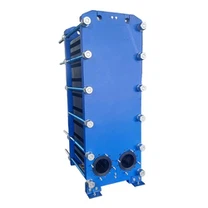
1.Primary culprit: Poor water quality. Many factories feed tap water, well water or untreated circulating water directly into plate heat exchangers, which leads to pitted plates within half a year. Such water contains chloride ions and sulfate ions, natural enemies of metallic materials.
Chloride ions in particular corrode stainless steel nearly as fast as galvanic corrosion. High ion concentration coupled with elevated working temperature can even double the corrosion rate.
How to solve this problem?
The most straightforward solution is to adopt softened water or pure water.
Alternatively, add corrosion inhibitors to the system and control the water pH value within the recommended range of 7 to 9.
Don't dismiss these measures as troublesome; this small step can save you the expense of replacing dozens of heat exchanger plates.
2.Second common pitfall: Improper cleaning Cleaning is essential, yet improper cleaning can cause more damage than skipping maintenance entirely. Some technicians opt for shortcuts by cleaning plates with concentrated sulfuric acid or hydrochloric acid, ruining the plates overnight.
Others scrub the plates with wire brushes under the impression that this delivers thorough cleaning, but in fact they are scratching the plates and shortening their service life.
Correct cleaning practices:
✅ Use special neutral or weakly acidic cleaning agents;
✅ Rinse thoroughly after cleaning to eliminate all residual liquid;
✅ Arrange cleaning cycles reasonably and avoid over-frequent washing.
You may compare heat exchanger plates to human skin: proper maintenance keeps them smooth and intact, while harsh cleaning will only worsen wear and tear.
3.Third cause: Excessive temperature difference and abrupt pressure surge Plate heat exchangers endure steady normal operation well, but are vulnerable to abrupt fluctuating working conditions.
Extreme temperature gap between hot and cold media plus instantaneous pressure rise may trigger stress corrosion on metal plates.
It is similar to pouring ice water followed immediately by boiling water into a glass cup, which will crack with a crisp snap.
Therefore, please follow these precautions during system operation and control: Avoid abrupt fluctuations in temperature and pressure; Reserve buffer zones at the design stage to regulate the heating and pressurization rate.
Stable operating conditions enable the unit to run reliably for over a decade. By contrast, frequent abrupt parameter changes can lead to costly breakdowns almost every year.
4.Fourth hidden danger: fluid leakage caused by aging gaskets
Gaskets are the most easily overlooked component, yet they act as the trigger in the corrosion chain.
Once gaskets age or loosen, process fluid seeps in and triggers localized corrosion along plate edges, which gradually expands inward.
This risk is particularly severe for media containing chlorine and sulfur elements. Fluid trapped inside gaps works like a slow-fuse ticking time bomb.
Accordingly, regular gasket inspection is critical. Promptly replace gaskets that turn hard, develop cracks or peel off rubber; Never cut costs by choosing inferior off-brand gaskets, as mismatched material will lead to severe equipment damage instead.
Plate heat exchangers are neither extremely costly nor cheap. Yet their worst trouble is not sudden breakdown, but gradual deterioration.
Heat efficiency drops bit by bit with minor fluid leakage developing little by little, until the whole unit ends up scrapped.
Maintaining a plate heat exchanger is similar to car maintenance. Regular attentive upkeep allows it to operate reliably for years, just like a well-serviced car covering hundreds of thousands of kilometers. Neglect routine maintenance and only repair after faults emerge, and the resulting repair costs will be substantial.
Want to protect your plate heat exchanger from corrosion? Here is a concise rule of thumb: Keep treated clean water, use mild cleaning acid, maintain stable pressure, and inspect gaskets frequently.
These four easy precautions can save you expenses equivalent to buying a brand-new heat exchanger.