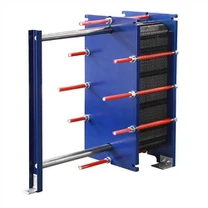
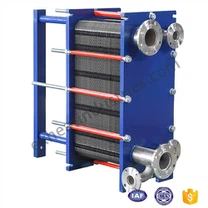
Plate heat exchanger, as an indispensable heat exchange equipment in modern industry, like the heart of the human body, for the entire system cycle conveying the "energy". In this "heart", the rubber sealing gaskets, although as small as "cells", but plays a vital role - they are the heat exchanger sealing performance guarantee, is the safe operation of the equipment! Operation of the guardian. However, with the passage of time, these "cells" will inevitably age, once the aging of the gasket can not work properly, it may bring a chain reaction beyond your imagination.
Imagine, if the heart valve began to fail, the blood will not be able to flow in accordance with the established path, the body parts do not get enough nutrients and oxygen, the whole system will gradually fall into paralysis. Similarly, the deterioration of rubber gaskets in plate heat exchangers not only leads to a huge waste of energy, but can also lead to production accidents, posing a threat to the environment and the safety of personnel.
In this article, we will delve into the specific hazards of aging rubber sealing gaskets for plate heat exchangers, analyse the reasons behind them, and propose a series of practical preventive measures. Through these contents, we hope to help you better understand and cope with this "invisible killer" in the heat exchanger operation.
Plate heat exchanger
Six hidden dangers of rubber gasket aging
Plate heat exchanger rubber gasket aging will bring a series of hidden dangers, mainly in the following aspects:
Professional insights
1
**Decrease in sealing performance**:
After the rubber sealing gasket aging, the elasticity decreases, the hardness increases, easy to crack and deformation, resulting in a decline in sealing performance, resulting in media leakage.
2
**Reduced heat transfer efficiency**:
Leakage caused by aging of the sealing gasket will make the pressure and flow distribution inside the heat exchanger uneven, affecting the heat exchange efficiency and increasing energy consumption.
3
**Equipment corrosion**:
The leaking medium may cause corrosion on the metal plates of the heat exchanger, shortening the service life of the equipment.
4
**Maintenance cost increase**:
The aging of the sealing gasket requires frequent replacement, which increases maintenance costs and downtime and affects productivity.
5
**Decrease in equipment reliability**:
Aging sealing gaskets affect the overall reliability of the heat exchanger, increasing the equipment failure rate.
6
**System Stability Impact**:
The aging of the sealing gasket may cause the heat exchanger to work unstably, affecting the stable operation of the entire system.
For the operation and maintenance of the plate heat exchanger, regular inspection of the condition of the sealing gasket, timely replacement of the aging gasket, is to ensure the normal operation of the equipment and production safety is an important measure.