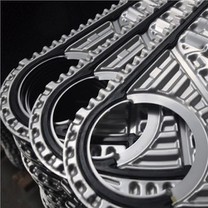
From the simplest chemical process systems to the most complex, heat exchangers are needed to efficiently transfer heat from one medium to another, but how do you pick the right one for your needs? They are used in a wide range of applications and are a major component in an infinite number of systems - from refrigerators to car engines and, of course, in chemical plants. Whichever industrial sector you find yourself in, you are essentially looking for the same end product, a heat exchanger, which effectively does the job for you. So the question remains, what standard of heat exchanger should you be looking for? This answer will vary depending on the circumstances, so we have set out the best principles for you to consider to help you create a short list of options.
Guidelines for choosing a type of heat exchanger to use include
Application - How will your heat exchanger help you achieve your engineering objectives (e.g. condensing, heating)?
Operating specifications - What are the pressure and temperature ranges that will be used at different stages of the project?
Materials of construction - are sudden temperature changes encountered during the process exposing the equipment to the risk of thermal stress?
Characteristics of the thermal fluid - do you need to use corrosion-resistant materials as your heating/cooling medium is prone to scaling?
Availability of utilities - do heat exchangers need to be connected to cooling water, steam, hot oil etc.?
Space constraints - Does the system layout and floor plan prohibit the use of certain heat exchanger types due to limited headroom?
Management - Is the design of the heat exchanger conducive to routine cleaning and maintenance procedures?
Scalability - Can the unit carry out the heat exchange requirements of the existing system and any future development processes?
Cost - how much are you willing to spend on it depending on the range of options available? (You must consider purchase costs, installation costs, operating costs and maintenance costs.)
Environment - Is the unit energy efficient and what type of carbon emissions are being released?
Considering the above questions, you can get your answers based on your operating specifications and other factors of your personal criteria and use them to determine the ideal heat exchanger design. Whether you have a new process or need to replace a heat exchanger in part of your existing system, it is important to evaluate (or re-evaluate) which heat exchanger model is suitable for the current operating conditions. Due to advances in process development and heat transfer technology, operational changes may make different types of heat exchanger more suitable for optimising your process.