Plate heat exchangers are widely used in heating, ventilation and air-conditioning systems due to their efficient heat transfer performance and compact construction. The purpose of this paper is to provide a technical guide to plate heat exchanger maintenance, focusing on its structural characteristics, common problems and solutions.
1. Plate heat exchanger structure features briefly
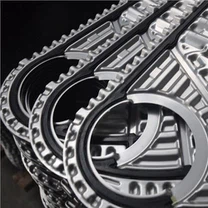
Plate heat exchanger consists of a series of corrugated metal plates, these plates are separated by a gasket, two different fluids (fluid A and fluid B) in the flow between the plates and heat transfer. The main components include heat exchanger plates, gaskets, fixed cover plates and clamping bolts.
2. Plate heat exchanger operation in the process of common problems and solutions
Gasket problems gasket breakage and aging is one of the common failures of plate heat exchanger. In order to prevent poor sealing and fluid stringing, the gasket should be inspected and replaced regularly.
Fixed Cover Plates and Clamping Bolts Problems Loose cover plates and bolts can lead to fluid leaks. Periodically inspect and tighten these parts to ensure that the unit is sealed.
Scaling Problems Scale build-up can reduce the heat transfer efficiency of plate heat exchangers. Use regular cleaning to remove scale. Specialised cleaning agents can be used, but avoid cleaning agents that will damage the plates and gaskets.
Plate Breakage Problems Plates may break due to impurities in the fluid or sudden changes in system pressure. Install filters to remove large particles of impurities in the fluid and avoid sudden pressure changes during operation.
3. Examples of plate heat exchanger cleaning and maintenance
Cleaning procedures cleaning procedures include selecting the appropriate cleaning agent, dismantling the equipment, cleaning the plate, drying the plate, assembling the plate and debugging the equipment.
Cleaning technology points to use a mild cleaning agent to avoid damage to the gasket and plate surface. Ensure that the equipment is completely relieved of pressure and the internal temperature is reduced to a safe level before disassembly. Keep diagonal bolts in place during disassembly to facilitate assembly. Use a high pressure washer or soft brush to clean the plates, avoiding the use of hard rubbing agents such as sand. Rinse thoroughly after cleaning and dry the plate.
MATERIAL REPLACEMENT Replace wearable parts, such as gaskets, regularly and replace badly worn plates and bolts as needed. Insulation and anti-corrosion maintenance
Keep heat exchanger insulation intact to prevent heat loss and surface condensation. Regularly inspect and protect metal bases and frames against corrosion.