

I. Why Does a Heat Exchanger Affect Pump Energy Consumption?
When people talk about reducing equipment energy consumption, the first things that usually come to mind are replacing the water pump or installing a variable frequency drive (VFD). Very few people consider the plate heat exchanger as an important factor in energy savings.
However, the truth is that the heat exchanger itself can have a significant impact on how much electricity your circulating water pump consumes.
The relationship between a heat exchanger and a water pump is similar to that between a road and a car. If your car struggles to move forward, the problem may not be the engine. It could simply be that the road ahead is full of obstacles.
The same principle applies to water pumps.
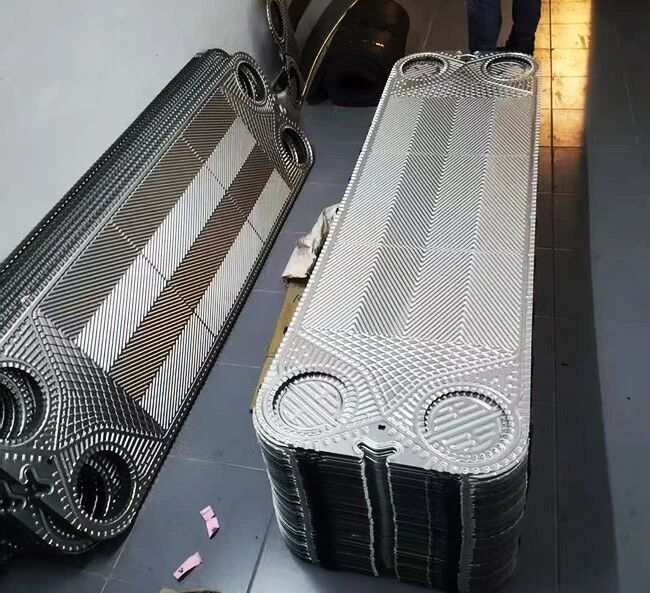
When circulating water flows through a plate heat exchanger, narrow flow channels and excessive flow resistance can make it difficult for water to pass through. The pump must then operate against a higher resistance to maintain the required flow rate, which can increase electricity consumption.
Let's look at a simple example.
Suppose a plate heat exchanger is designed with a pressure drop of 50 kPa, while the target pressure drop for the application is 30 kPa. The additional 20 kPa creates extra resistance that the circulating pump must overcome.
For systems operating continuously with high water flow rates, even a relatively small increase in pressure drop can result in significant additional energy consumption over time.
This is why choosing the wrong heat exchanger can increase the workload of your circulating pump and drive up operating costs.
II. How Poor Heat Exchanger Design Increases Pump Energy Consumption
A plate heat exchanger and a circulating water pump may seem like two separate pieces of equipment, but they are closely connected through the same piping system.
If the heat exchanger is not properly designed or selected, the circulating pump may have to work harder to overcome unnecessary flow resistance.
Here are four common design and operating problems that can increase pump energy consumption.
2.1 Narrow Flow Channels = Higher Flow Resistance
If the plate spacing is too small or the flow channels are too narrow for the required flow rate, water has less space to pass through the heat exchanger.
This can increase flow velocity and pressure drop, making it more difficult for the pump to maintain the required circulation rate.
As a result, the pump may need to operate at a higher head, increasing energy consumption.
2.2 Improper Pass Arrangement = Unnecessary Flow Resistance
The number of passes and flow arrangement, such as 1-1, 2-2, or 4-4 configurations, also affect the hydraulic performance of a plate heat exchanger.
An unsuitable pass arrangement can create excessive pressure drop and reduce overall system efficiency.
Choosing the right configuration requires balancing flow rate, temperature difference, heat transfer requirements, and allowable pressure drop.
The goal is not simply to increase the number of passes, but to find an arrangement that delivers the required heat transfer performance without creating unnecessary resistance.
2.3 Insufficient Heat Transfer Area = Higher Operating Demands
Some projects reduce the initial equipment cost by using fewer plates and a smaller heat transfer area.
However, an undersized heat exchanger may struggle to meet the required heat transfer duty under actual operating conditions.
To compensate, the system may require higher flow rates or different operating conditions, potentially increasing pump energy consumption without fully solving the heat transfer problem.
Providing sufficient heat transfer area, together with an appropriate fouling allowance, helps maintain stable performance and reduces the risk of excessive operating demands.
2.4 Fouling and Scaling = Increasing Pressure Drop
If a plate heat exchanger is not cleaned regularly, scale, sediment, and other contaminants gradually accumulate inside the flow channels.
As deposits build up, the effective flow area becomes smaller, increasing flow resistance and pressure drop.
The circulating pump must then work harder to maintain the required flow rate. In severe cases, excessive fouling can also trigger equipment alarms and affect overall system performance.
In short: If your circulating pump cannot deliver the expected flow rate, the problem may not be insufficient pump capacity. Excessive resistance inside the heat exchanger could also be part of the problem.
III. How to Choose a Plate Heat Exchanger That Reduces Pump Energy Consumption
If you want your circulating pump to operate efficiently and consume less electricity, the plate heat exchanger should be selected with four key factors in mind:
- Low pressure drop
- Appropriate flow arrangement
- Sufficient heat transfer area
- Good resistance to fouling and easy maintenance
Here are four important points to consider during the selection process.
3.1 Aim for a Design Pressure Drop of 30–35 kPa or Lower, Where Appropriate
A lower pressure drop generally means less resistance to fluid flow and less hydraulic power required from the pump.
However, the lowest possible pressure drop is not always the best design choice. The pressure drop must be balanced against heat transfer efficiency, equipment size, and overall project costs.
For systems with large circulating water volumes, even an additional 10 kPa of pressure drop can lead to considerable extra electricity consumption over a year.
Therefore, the allowable pressure drop should be clearly defined during the heat exchanger selection process, based on actual system requirements and pump performance.
3.2 Select the Right Pass Arrangement Based on Flow Rate and Temperature Difference
Not every application should use a 1-1 flow arrangement.
The appropriate pass configuration depends on the required flow rate, inlet and outlet temperatures, heat transfer duty, and allowable pressure drop.
For high-flow applications, the designer should pay particular attention to the number of parallel flow channels and the hydraulic resistance of each side.
A properly selected flow arrangement helps achieve the required heat transfer performance while keeping pressure drop within an acceptable range.
3.3 Provide Sufficient Heat Transfer Area Instead of Using Only Theoretical Values
Some projects select a heat exchanger based solely on calculated heat transfer requirements, leaving little allowance for real operating conditions.
This may result in insufficient performance when fouling, changes in water quality, or variations in operating conditions occur.
Providing an appropriate heat transfer area allowance, such as an additional 10% where justified by the design conditions, can help maintain stable performance over time.
However, the final allowance should be determined through engineering calculations rather than applying the same percentage to every project.
3.4 Clean the Heat Exchanger Regularly to Maintain Smooth Water Flow
A clean heat exchanger is essential for maintaining low flow resistance and stable heat transfer performance.
If the equipment operates for long periods without cleaning, deposits can gradually accumulate inside the channels, increasing pressure drop and pump energy consumption.
As a general guideline, cleaning every 6–12 months may be suitable for some applications. However, the actual cleaning interval should depend on water quality, operating conditions, and the rate of fouling.
Regular inspection and timely cleaning help keep the flow channels clear, allowing the circulating pump to operate more efficiently.
Additional Tip:
For applications requiring high flow rates and relatively low pressure drop, consider a wide-gap plate heat exchanger or a model with an optimized plate corrugation design.
These designs may be suitable for applications where minimizing flow resistance is a priority. However, the final selection should always consider both hydraulic performance and heat transfer requirements.
IV. Final Thoughts: The Right Heat Exchanger Can Help Reduce Pump Energy Costs
Never underestimate the impact of a plate heat exchanger on overall system energy consumption.
A properly selected heat exchanger can help reduce unnecessary flow resistance, improve heat transfer performance, and allow the circulating pump to operate more efficiently.
On the other hand, an unsuitable design can increase pump workload, raise electricity bills, accelerate equipment wear, and add to long-term maintenance costs.
If you want your circulating water pump to operate with less resistance, consume less electricity, and enjoy a longer service life, start by choosing the right plate heat exchanger.
A well-designed heat exchange system is not just about transferring heat efficiently. It is also about reducing energy consumption across the entire system.


