Have you ever heard complaints like these on the factory floor?
"This heat exchanger was only installed a few years ago. Why is it already leaking everywhere?"
"The plates are made of stainless steel. How did they end up deformed after disassembly?"
Many people look at the shiny exterior of a plate heat exchanger and assume it is built to last almost forever.
But the reality is quite different.
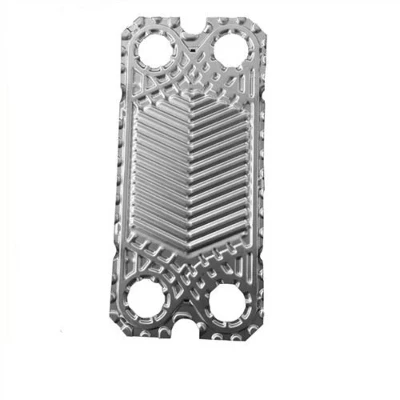
A plate heat exchanger may look like a solid piece of industrial equipment, but its internal components are more delicate than many people realize. Treating it like a heavy-duty storage tank and subjecting it to rough operation can lead to premature failure.
So, what actually causes a plate heat exchanger to age? More importantly, how can you prevent it from wearing out too soon?
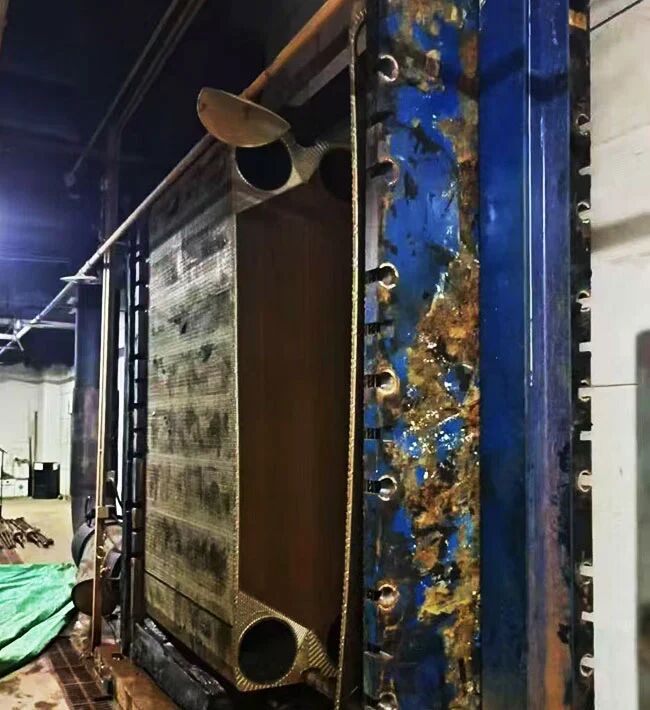
I. Understanding Premature Aging in Plate Heat Exchangers
When people talk about equipment aging, they often assume it is simply the result of time and natural wear.
However, for plate heat exchangers, much of the premature deterioration is actually caused by improper operation and inadequate maintenance.
The plates are relatively thin, typically around 0.5 mm, while the gaskets are made of rubber materials that can deteriorate under unsuitable operating conditions.
If either of these two critical components becomes damaged, the overall service life and performance of the heat exchanger can be seriously affected.
You may think the equipment is simply dirty or worn out. In reality, its core components may already have suffered significant damage.
Preventing premature aging is not just about slowing down the passage of time. It is about avoiding the operating mistakes that gradually damage the equipment.
II. How to Extend the Service Life of a Plate Heat Exchanger
Want your plate heat exchanger to last several more years?
Start by avoiding unnecessary force and improper operating practices. Here are three common problems that can significantly shorten its service life.
2.1 Avoid Excessive Tightening Pressure
What should you do when a plate heat exchanger starts leaking?
For some operators, the immediate reaction is to grab a large wrench and tighten the clamping bolts as hard as possible.
This is one of the most common mistakes that can cause serious damage.
The equipment nameplate specifies the allowable tightening dimension of the plate pack. This dimension is critical for maintaining the correct compression of the plates and gaskets.
If you continue tightening the bolts beyond the specified minimum dimension in an attempt to stop leakage, the corrugated plates may become excessively compressed, flattened, or permanently deformed.
Once plastic deformation occurs, the original plate geometry may not be recoverable. The plates can lose their intended structural strength and heat transfer characteristics, and simply replacing the gaskets may no longer solve the problem.
This is why tightening should never be based on force alone.
What should you do instead?
Always check the manufacturer's specified tightening dimension before adjusting the clamping bolts. Use a measuring tape or suitable measuring tool to monitor the plate pack dimension during tightening.
Never tighten the heat exchanger below its specified minimum dimension.
Proper tightening protects the plates, maintains gasket sealing performance, and helps prevent unnecessary equipment damage.
2.2 Avoid Water Hammer Caused by Sudden Pressure Changes
Water flowing through industrial pipelines carries considerable energy.
However, some operators are in too much of a hurry. They start pumps or open valves too quickly, allowing a large volume of water to rush into the heat exchanger almost instantly.
This can create a phenomenon known as water hammer.
Water hammer occurs when fluid velocity changes suddenly, causing a rapid pressure surge inside the piping system.
These pressure spikes can push rubber gaskets out of their grooves, damage sealing surfaces, and place excessive mechanical stress on the thin heat transfer plates.
Repeated pressure surges can also contribute to material fatigue and, in severe cases, lead to cracks or leakage.
Even high-quality stainless steel plates cannot withstand repeated pressure shocks indefinitely.
What should you do instead?
Always start pumps gradually and open or close valves slowly. Avoid sudden changes in flow rate and pressure during startup and shutdown.
Following the correct operating sequence helps reduce water hammer, protects the internal components, and improves the long-term reliability of the heat exchanger.
2.3 Stainless Steel Is Corrosion-Resistant, but Not Immune to Corrosion
Stainless steel is widely used in plate heat exchangers because of its good corrosion resistance. However, it does not provide protection against every type of corrosive environment.
Chloride ions are a particularly important concern.
If the circulating water contains high chloride concentrations, or if the fluid contains aggressive chemicals, the protective passive film on the stainless steel surface may become damaged.
The same problem can occur when unsuitable cleaning chemicals, such as hydrochloric acid, are used to remove scale.
Under certain conditions, especially at elevated temperatures, chloride ions can promote localized corrosion, particularly pitting corrosion and stress corrosion cracking (SCC).
Pitting corrosion can create tiny holes in the plate surface, while stress corrosion cracking can produce branching cracks that gradually penetrate the material.
Over time, these forms of corrosion may cause internal leakage, cross-contamination between fluids, or even complete plate failure.
What should you do instead?
- Choose the right plate material: Select a corrosion-resistant material based on the fluid composition, chloride concentration, operating temperature, and pressure. For highly corrosive applications, titanium plates may be a more suitable option.
- Use compatible cleaning chemicals: Avoid aggressive cleaning agents that may damage the plate material. Always check chemical compatibility before cleaning.
- Monitor water quality: Regularly check chloride levels and other potentially corrosive substances in the circulating fluid.
The right material selection and proper cleaning practices can significantly reduce corrosion risks and help extend equipment service life.
III. Final Thoughts: Treat Your Plate Heat Exchanger with Care
At the end of the day, a plate heat exchanger may be a piece of industrial equipment, but its thin plates and rubber gaskets require proper handling and maintenance.
Avoid excessive tightening, prevent sudden pressure surges, and choose suitable materials and cleaning chemicals for your operating conditions.
Treat your plate heat exchanger properly, and it will reward you with reliable performance, efficient heat transfer, and years of dependable service.
A longer service life does not come from equipment alone. It starts with the way you operate and maintain it.