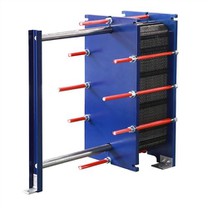
Optimize storage conditions: extend the life of the rubber strip during the "dormant period"
The storage conditions of rubber sealing strips when not in use directly affect their aging speed. Scientific storage management can significantly extend the life of the rubber strip during the "dormant period". Rubber materials are easily affected by factors such as temperature, humidity, light and radiation during storage. High temperature and ultraviolet rays will accelerate the oxidation reaction of rubber molecules, causing the rubber strips to harden and crack; excessive humidity may cause mold growth, further damaging the performance of the rubber strips. Therefore, controlling the temperature and humidity of the storage environment and avoiding light and radiation are the key to extending the life of the rubber strips. A chemical company has extended the shelf life of nitrile rubber sealing strips from 3 years to 5 years by improving the warehouse environment. Specific measures include installing a temperature and humidity control system and using UV-proof packaging materials. According to the International Rubber Research Group (IRSG), suitable storage conditions can extend the shelf life of rubber sealing strips by 30%-50%. Dr. Smith, a rubber material expert, pointed out: "Controlling the temperature and humidity of the storage environment is one of the most effective ways to extend the life of rubber sealing strips. Companies should establish a scientific storage management system to ensure that the strips are stored in the best condition." Standardized disassembly and assembly operations: Reduce mechanical damage. Disassembly and assembly operations have a significant impact on the service life of rubber sealing strips. Standardized disassembly and assembly processes can reduce mechanical damage to the strips and slow down the aging rate. During each disassembly and assembly process, the rubber sealing strips will be subjected to mechanical forces such as stretching and extrusion, causing the internal molecular chains to break and reorganize. Irregular disassembly and assembly operations may also cause physical damage such as scratches and deformation of the strips, further accelerating aging. Therefore, formulating and implementing standardized disassembly and assembly processes is an important measure to protect the strips. After a power company introduced standardized disassembly and assembly processes, the service life of EPDM rubber sealing strips was extended from 5 years to 8 years. By training operators and using special tools, the mechanical damage of the strips was significantly reduced. According to industry survey data, standardized disassembly and assembly operations can extend the service life of rubber sealing strips by 20%-30%. Equipment maintenance expert Mr. Johnson emphasized: "Standardized disassembly and assembly operations can not only extend the life of the strips, but also improve the overall operating efficiency of the equipment. Enterprises should attach importance to operator training to ensure that every step of the operation meets the standards." Choose the right material: adapt to different environmental needs
Rubber sealing strips made of different materials have significant differences in performance in different environments. Choosing the right material is the key to extending the service life of the strip. Nitrile rubber (NBR) is suitable for general industrial environments, but performs poorly in high temperature and chemically corrosive environments; EPDM has excellent heat resistance and chemical resistance and is suitable for high temperature and corrosive environments; fluororubber has excellent high temperature resistance and chemical resistance and is suitable for extreme environments. Therefore, choosing the right material according to the specific use environment can effectively extend the life of the strip. After a food processing company switched to fluororubber sealing strips in a high temperature and high humidity environment, the service life of the strips was extended from 2 years to 5 years. Through material optimization, the equipment failure rate was significantly reduced. According to the Institute of Materials Science, choosing the right rubber material can extend the service life of the sealing strip by 50%-100%. Materials scientist Dr. Lee pointed out: "Rubber sealing strips made of different materials have significant differences in performance in different environments. Companies should choose the most suitable material according to the specific use environment to maximize the service life of the strip." By optimizing storage conditions, standardizing disassembly and assembly operations, and selecting appropriate materials, the service life of rubber sealing strips can be significantly extended, and the overall performance and reliability of plate heat exchangers can be improved. With the continuous advancement of materials science and industrial technology, the durability and adaptability of rubber sealing strips will be further improved in the future. Intelligent and automated maintenance management systems will also become an important trend in the development of the industry. To help companies better manage the life of rubber sealing strips, this article makes the following suggestions: Establish a scientific storage management system to ensure that rubber sealing strips are stored in the best condition. Formulate and implement standardized disassembly and assembly processes to reduce mechanical damage to the strips. Select appropriate materials according to the specific use environment to maximize the service life of the strips. Perform regular inspections and maintenance to promptly detect and replace aging strips. Introduce intelligent and automated maintenance management systems to improve the efficiency and accuracy of equipment maintenance. The above analysis and suggestions aim to provide industry practitioners with a set of scientific and practical rubber sealing strip life management solutions to help improve equipment operating efficiency and reduce maintenance costs.
Shanghai Exheat Industries Co., Ltd
+86-13545529361
 Language
- English
- Português
- Srbija jezik (latinica)
- slovenščina
- Español
- Français
- Cymraeg
- Gaeilgenah Éireann
- suomi
- Polski
- اردو
- Svenska
- عربي
- Nederlands
- Norsk
- íslenska
- Indonesia
- ไทย
- русский
- हिंदी
- slovenčina
- Català
- українська
- فارسی
- Български
- 한국어
- Bai Miaowen
- Türkçe
- Italiano
- বাংলা
- Lietuvių
- dansk
- O'zbek
- Deutsch
- Malti
- Eesti
- Việt Nam
- Čeština
- 日本語
- עברית
- Kreyòl Ayisyen
- bosanski
- magyar
- România limbi
- Latviešu
- hrvatski
- Melayu
- Ελληνικά