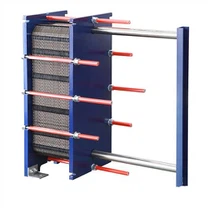
Inspect the appreance of plate heat exchanger firstly,analyse the problem and find leak problem
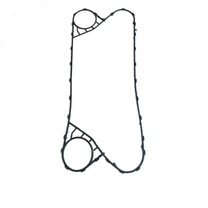
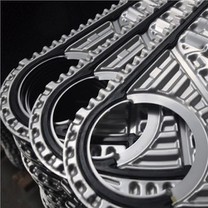
dispatch the plate heat exchanger, and sperate the plate and gasket
flushed impurities such as mud, scale, etc. inside the heat exchanger, which can not only improve the effect of pickling, but also reduce the acid consumption of pickling
cleaning the plates with washer equipment simply
prepare the cleaning tank and prepare the cleaning agent.
cleaning the plates again with the specific cleaning agent
make pentration test , check if there is damaged plates
regasketed the plates after testing
assemble and tighten the plate heat exchanger with tightening equipment
make pressure test.check if the heat exchanger works normally
there is two point which need to pay attention before cleaning
1.the choice of cleaning agent for plate heat exchanger is pickling, which is mainly divided into inorganic acid and organic acid. Inorganic acid is mainly composed of hydrochloric acid and nitric acid. Organic acids are oxalic acid and formic acid. If the material is nickel-titanium alloy, hydrochloric acid cannot be used for cleaning, which will corrode the plates and shorten the life of the equipment.If the internal structure of the plate heat exchanger is complex and the smooth area is small, the precipitation produced by the cleaning agent is not easy to discharge.
How should the formic acid be used to achieve the greatest cleaning effect? After repeated experiments, surfactants and buffers are added to the formic acid cleaning agent. The purpose is to reduce the damage of the cleaning agent to the plate, and the effect is more obvious. Tests have shown that formic acid can not only clean dirt but also reduce damage to the plates.
2. When pickling, pay attention to the temperature. Excessive temperature will aggravate the corrosion of the equipment's plates by pickling. Generally, the temperature is 60 degrees Celsius.
Pickling solution configuration: formic acid 81%, water 17%, surfactant 0.8%, buffer 1.2% for configuration, according to this method for cleaning, the effect is very good.
The cleaning should be a combination of dynamic and static soaking and circulation, first soaking for 2h, and cyclic cleaning for 3-4h, sampling during the cleaning process until the end of the pickling reaction.
After the scale and metal oxides on the heat exchanger are dissolved, passivation treatment is required, because new metal will be exposed after pickling, which is extremely easy to corrode at this time, so passivation treatment must be done