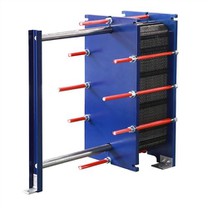
When selecting a heat exchanger, it is vital to consider all constraints thoroughly to ensure optimum performance and return on investment. Picking the heat exchanger model that is best suited to a particular application and operating conditions will maximise efficiency and minimise potential problems or failures. However, with so many different heat exchangers available, how do you determine which model is best suited?
Firstly, it is vital to aim for the best expected performance. Every application has unique requirements. In order to achieve optimum performance in a given application, various factors need to be weighed:
Pressure drop
Installation space
Footprint
Maintenance requirements
Installation costs
The most suitable type of equipment
The wrong heat exchanger choice or design solution can result in insufficient cooling or heating, or fouling, which can lead to heavy maintenance tasks, costing time, money, labour and productivity. Therefore, an in-depth understanding of the process and requirements is vital when selecting the right equipment.
Some heat exchanger types have been widely used for many years, but new technologies are emerging that can improve performance, save space and reduce long-term costs. Understand the advantages of new technology over traditional heat exchangers and evaluate all available options, then make an informed decision.
A heat exchanger is a common piece of equipment used in industry to enable the transfer of heat between two fluids. Depending on the requirements, heat exchangers can be classified into three types, each with unique benefits and application scenarios.
First, gasket plate heat exchanger (GPHE)
Gasket plate heat exchanger uses corrugated metal plates to achieve heat transfer between fluids, suitable for cooling and heating for a variety of purposes. Characterised by modular design, easy to disassemble, clean and maintain. However, it is not suitable for high temperature and high pressure applications.
Second, fully welded plate and frame heat exchanger (BLOC)
Fully welded plate and frame heat exchanger combines the advantages of gasket plate heat exchanger and plate and shell heat exchanger for easy maintenance and cleaning. It can handle higher pressures and temperatures and is suitable for processes such as oil and gas refining. It has a smaller footprint and superior performance compared to plate and shell heat exchangers.
Three Plate and Shell Heat Exchanger (SPHE)
Plate and shell heat exchanger combines the characteristics of shell and tube and plate heat exchanger, with high temperature and pressure resistance, suitable for high-pressure, high-temperature applications. However, it is more complicated to clean and maintain, and is suitable for working conditions with clean media on both sides or one side.
When choosing a heat exchanger, the appropriate type should be selected according to the specific application and working conditions. Gasket plate heat exchangers are suitable for cooling and heating needs, fully welded plate and frame heat exchangers are suitable for processes such as oil and gas refining, and plate and shell heat exchangers are suitable for high-pressure, high-temperature applications. Choosing the right heat exchanger ensures excellent equipment performance and reduces maintenance costs.