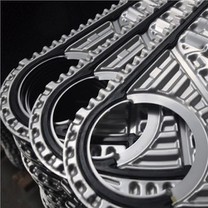
Among all the equipment used in a heating substation, the plate heat exchanger is one of the most important.
Although its name may sound technical, its function is actually quite simple-it transfers heat from one fluid to another without allowing the two fluids to mix.
So why is it considered such a critical component in a heating substation?
Let's take a closer look.
1. What Does a Heating Substation Do?
A heating substation acts as an intermediate transfer station in a district heating system.
High-temperature water supplied by a boiler plant or central heating plant is delivered to the substation.
However, this water is often too hot to be circulated directly through residential or commercial heating systems.
Instead, the substation transfers the heat from the primary heating water to the secondary water that circulates through the building's heating network.
The heated secondary water is then distributed throughout homes or buildings.
In short, the heating substation safely and efficiently transfers thermal energy from the heat source to end users.
2. How Does a Plate Heat Exchanger Work?
The plate heat exchanger is the core component responsible for transferring heat inside the substation.
It consists of multiple thin metal plates stacked closely together.
The hot primary water from the heating plant flows through one set of channels, while the cooler secondary water flows through alternating channels.
Although the two fluids never come into direct contact, heat passes efficiently through the metal plates from the hot side to the cold side.
As a result, the secondary water is heated and delivered to the heating network, while the cooled primary water returns to the heating plant for reheating.
Simply put, the plate heat exchanger transfers heat-not the water itself.
3. Why Is It So Important?
It Determines Heating Performance
The efficiency of the plate heat exchanger directly affects heating performance.
When heat transfer is efficient, radiators or floor heating systems warm up quickly and maintain comfortable indoor temperatures.
If the heat exchanger becomes fouled or clogged, heat transfer efficiency decreases, reducing the overall heating performance of the system.
It Improves Safety
The temperature of the primary heating water can sometimes exceed 100°C under pressurized operating conditions.
Without a plate heat exchanger, circulating this high-temperature water directly through residential heating systems would present significant safety risks.
The plate heat exchanger keeps the primary and secondary water circuits completely separated while allowing heat to transfer efficiently between them.
This separation greatly improves system safety.
It Reduces Energy Consumption and Operating Costs
A high-efficiency plate heat exchanger minimizes heat loss, allowing more thermal energy to reach the end users.
This reduces fuel consumption at the heating plant and lowers operating costs for the entire heating system.
On the other hand, severe scaling or fouling reduces heat transfer efficiency.
To achieve the same heating capacity, the system may require higher flow rates and increased energy consumption, resulting in unnecessary operating costs.
4. The Working Principle Is Simpler Than You Might Think
Many people assume that plate heat exchangers rely on complex technology.
In reality, the basic principle is simply heat transfer through metal.
Because the metal plates have excellent thermal conductivity, heat moves efficiently from the hot fluid to the cold fluid without mixing the two streams.
To further improve efficiency, the plates are designed with corrugated patterns.
These corrugations create turbulent flow inside the channels, increasing heat transfer performance.
A simple comparison is stirring a cup of hot water.
When the water moves continuously, heat is transferred much faster than when the water remains still.
The corrugated plate design uses the same principle to maximize thermal efficiency.
Conclusion
A heating substation serves as the transfer point for thermal energy, and the plate heat exchanger is the equipment that makes this process possible.
Without it, heat cannot be transferred efficiently from the primary heating network to the secondary distribution system.
If its performance declines because of fouling, scaling, or poor maintenance, the entire heating system becomes less efficient.
Although the name "plate heat exchanger" may sound highly technical, its role is straightforward.
It simply transfers heat from one fluid to another safely and efficiently.
In many ways, its importance to a heating substation is similar to the role an engine plays in an automobile-it is the core component that keeps the entire system operating effectively.