1. Fluid properties:
Type of fluid (e.g., water, oil, air, etc.).
Physical properties of the fluid, e.g., density, viscosity, specific heat capacity, thermal conductivity, etc.
Chemical properties of the fluid, such as whether corrosive, whether it contains suspended solids.
2. Operating conditions:
Flow rate (volume flow rate or mass flow rate).
Inlet and outlet temperature.
Pressure (absolute pressure or gauge pressure).
3. Heat transfer requirements:
Heat transfer rate (amount of heat transferred per unit of time, usually expressed in kilojoules or million BTUs per hour).
Temperature difference (temperature difference between hot and cold fluids).
Heat transfer coefficient (usually based on the fluid and heat exchanger material).
5. Structural requirements:
Dimensional limitations of the heat exchanger, including length, width, and thickness.
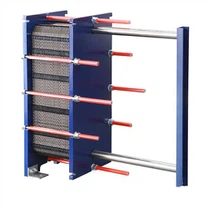
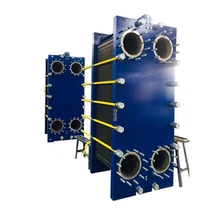
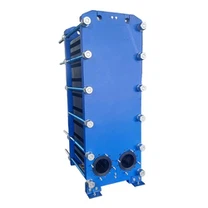
Plate spacing, plate size and plate type (such as corrugated, flat plate, etc.).
Size and strength requirements of the heat exchanger shell.
6. Material selection:
Heat exchanger plate and frame materials (consider corrosion resistance, temperature resistance, strength, etc.).
Sealing materials (gaskets, sealing tape, etc.).
7.Manufacturing and maintenance:
Manufacturing process considerations, such as welding, brazing, etc.
Maintenance convenience, such as the need for removable plates, etc.
8. Economic considerations:
Investment costs (including material, manufacturing, installation costs).
Operating costs (energy consumption, maintenance costs).
payback period.
After determining the above design conditions, detailed heat transfer calculations and fluid dynamics analysis should be performed to select the appropriate plate heat exchanger type and size and ensure that it meets the heat exchange needs in the process. At the same time, the structural strength, sealing performance, corrosion resistance and other indicators of the heat exchanger should also be considered based on the actual application environment of the heat exchanger to ensure the reliability and economy of the heat exchanger.