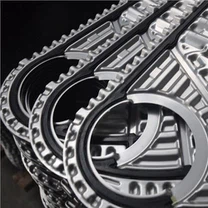
Plate heat exchanger selection strategy: so that even a small white man can easily handle
Hello everyone, today we talk about how to pick the right plate heat exchanger. This is not simply buy a large heat exchanger installed on the end of the matter, there are many doors. Below, I will use easy-to-understand language, combined with practical examples, to teach you how to select.
First of all, we need to clarify the goal:
1. temperature: for example, your current water temperature is 20 ℃, you want to heat up to 80 ℃, this temperature difference is the heat exchanger needs to be considered.
Case: a beverage factory needs to heat the water temperature from 15 ℃ to 85 ℃, they chose a plate heat exchanger that can withstand a large temperature difference, to ensure production efficiency.
2. flow: the size of the water flow directly affects the effect of the heat exchanger.
Case: a chemical plant because of the water flow rate is large, the choice of high-flow plate heat exchanger, to ensure the normal operation of the production line.
3. Limitations: What is the maximum temperature and pressure that the heat exchanger can withstand?
Case: a heat company needs high temperature and high pressure heat exchanger, they chose the plate heat exchanger with high temperature and high pressure resistance to ensure the safe and stable operation.
Next, we have to comply with the norms and standards:
1. Safety margin: The heat exchanger should have enough margin to cope with unexpected situations.
Case: a pharmaceutical company in order to ensure production safety, choose a plate heat exchanger with a large margin of safety.
2. Geographical norms: Different regions have different safety and environmental standards.
Case in point: a power plant located by the sea chose a corrosion-resistant plate heat exchanger because of the corrosive environment.
Then, we need to have insight:
1. Geographical issues: The location of a heat exchanger may influence its design.
Case in point: a chemical plant located by the sea chose a corrosion-resistant plate heat exchanger to cope with the salt spray environment by the sea.
2. Industry requirements: Different industries have different requirements for heat exchangers.
Case: a dairy company chose a plate heat exchanger that meets food hygiene standards to ensure product safety.
Finally, a few professional tips:
1. Use of advanced technology: study the load and temperature distribution of heat exchangers.
Case in point: a research unit used advanced technology to optimise the heat exchanger and improve the heat transfer efficiency.
2. Use modern design tools: use design software to improve the accuracy of heat exchanger selection.
Case: a design institute through modern design software, tailored for a set of high-efficiency heat exchanger for a company.
3. Focus on whole machine manufacturing: Ensure that each component enhances the overall function.
Case: a heat exchanger manufacturer focuses on details, from the corner holes, plates to pressure ratios are carefully designed to make the heat exchanger performance better.
Through the above strategy, I believe we have a preliminary understanding of plate heat exchanger selection. Remember, selection should not only meet the basic needs, but also consider a variety of factors to ensure that the heat exchanger safe, efficient and stable operation.
Translated with DeepL.com (free version)