Food processing industry
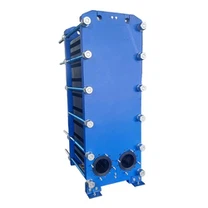
Food Processing Industry Plate heat exchangers are widely used in the food processing industry. For example, they can be used for heating liquid food products such as milk, fruit juices and alcohol. Through efficient heat transfer, plate heat exchangers are able to quickly heat these products to the required temperature while avoiding overheating and ensuring product quality. In the food processing industry, plate heat exchangers play a crucial role. A large dairy company, for example, they use plate heat exchanger for rapid heating and cooling of milk, to ensure that the milk in the pasteurisation process of temperature precision control, both to retain the nutrients of the milk, but also to ensure food safety. In Denmark, a well-known dairy company, plate heat exchanger is used in its core production process. The plate heat exchanger used by the company is capable of heating 4,000 litres of milk from 4°C to 72°C in less than five minutes and rapidly cooling it to 4°C for pasteurisation. This efficient heat exchange not only ensures the quality of the milk, but also significantly improves productivity and reduces energy consumption. Similarly, a fruit juice production company uses plate heat exchangers to heat the juice to the appropriate filling temperature in a short period of time, effectively maintaining the fresh taste and nutritional value of the juice.
Chemical Industry
In the chemical industry, plate heat exchangers are used in a variety of processes, such as temperature control during reactions, product heating and cooling. Their use in chemical processes improves energy efficiency and reduces energy consumption. Plate heat exchangers are also indispensable in the chemical industry. For example, a chemical manufacturer has installed plate heat exchangers in its production line for controlling the temperature of chemical reactions, which not only improves the quality and stability of the products, but also significantly reduces energy consumption, bringing considerable economic benefits to the enterprise. A large chemical company in the U.S. uses plate heat exchangers for heat exchange in the production of synthetic ammonia. The heat exchanger helps to transfer heat from the reactor to the cooling water, effectively controlling the reaction temperature and making it possible to increase the ammonia yield by 5 per cent, while at the same time reducing energy consumption by 20 per cent as a result of the improved heat exchange efficiency.