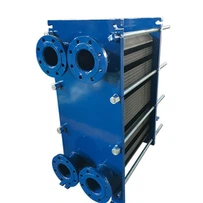
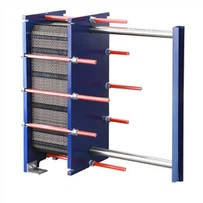
Gasketed Plate Heat Exchanger yeast industry
Plate heat exchangers are used to regulate the temperature of the yeast solution that is used in the production process. The process involves heating and cooling of the solution at various stages to promote the growth and multiplication of the yeast. The plate heat exchangers facilitate this temperature control by exchanging heat between the yeast solution and another fluid, which is used to heat or cool the solution.
The advantages of plate heat exchangers in the yeast industry are numerous. Firstly, they are highly efficient, resulting in significant cost savings in terms of energy consumption. Additionally, they are easy to clean and maintain, providing a hygienic solution for the production of yeast. They are also compact and take up minimal space in the production plant. The use of plate heat exchangers in the yeast industry ensures consistent product quality and reduces the risk of contamination or spoilage.
In summary, the use of plate heat exchangers in the yeast industry is of great importance. It yields significant benefits in terms of energy efficiency, hygiene, consistency, and product quality. The yeast industry relies heavily on precise temperature regulation, and plate heat exchangers provide an efficient and reliable solution. Without them, the production output and quality of yeast products would be compromised.
Process scheme for yeast production
1.Molasses processing
Raw molasses is sterilised and diluted with high temperature steam (95-120°C), and then transferred to the diluted molasses tank.
2.Fermentation
Depending on the recipe, the desired quantity of water is added, disinfected with a certain quantity of hypochlorite, the desired quantity of seeds is added, the diluted molasses is continuously added, the prepared nutrients are added and the aerobic fermentation takes place. Temperature, pH and alcohol content are adjusted as required by the process, and more yeast is added at the end of the fermentation. The wind temperature required for fermentation of the yeast strain ranges from 40°C to 50°C. The temperature at the outlet of the air blower used for the air supply is 100°C to 120°C. Too high a temperature will affect the fermentation time and the fermentation quality of the yeast strain.
3.Working principle of the water-cooled heat exchanger
In order to reduce the fan outlet temperature the water cooled heat exchanger must be installed. A heat exchanger with water as the heat transfer medium is installed at the outlet of the fermentation fan.

Hot Tags: gasketed plate heat exchangers for the yeast, China, suppliers, manufacturers, cheap, pricelist, low price, for sale, plate heat exchanger keeps getting blocked, 90 kw plate heat exchanger, plate heat exchanger kw, Oil Cooling Plate Heat Exchanger, Plate heat Exchangers for heating finished wine, plate heat exchanger research paper