I. Potential Risks of Plate Heat Exchanger Corrosion
As a key piece of equipment in heat transfer applications, the plate heat exchanger plays an important role across many industries. However, even this seemingly robust piece of equipment can become a serious source of problems once corrosion occurs.
Corrosion may not attract much attention in its early stages, but the potential risks it creates can be far more serious than expected.
So, what causes corrosion in the first place?
Simply put, corrosion occurs when metals react chemically with their surrounding environment, such as water, oxygen, or chemicals. For example, acidic substances or other corrosive components in water can react with metal surfaces, gradually damaging the material.
For a plate heat exchanger, once corrosion begins, it is like a "ticking time bomb" that can trigger a series of problems at any time. The concern is not limited to damage to the heat exchanger itself. If corrosion-related problems spread through the system, they can affect other equipment and compromise the stability of the entire operation.

II. How Corrosion in a Plate Heat Exchanger Can Spread to the Entire System
Corrosion in a plate heat exchanger does not necessarily remain confined to the heat exchanger itself. Once corrosion occurs, it can trigger a chain reaction that affects other equipment and compromises the stability of the entire system.
It is similar to one person catching a cold and then spreading it to everyone around them. What starts as a problem with one piece of equipment can eventually affect the entire system.
(1) Leakage Causes Contamination and Increases the Risk
One of the first problems caused by corrosion is the loss of sealing integrity.
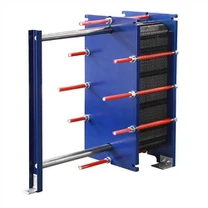
A plate heat exchanger typically consists of multiple metal plates that separate the fluid channels with gaskets. When corrosion occurs, cracks or small holes may develop on the metal surface, allowing the hot fluid to leak.
The leaking fluid may then enter other parts of the system and create a contamination risk. For example, harmful substances in the hot fluid may contaminate the piping system and trigger additional corrosion problems.
Even worse, leakage is not simply a contamination issue. It can also cause other equipment to malfunction.
If the fluid leaks into the piping system, it may cause localized corrosion, blockage, or even equipment failure. If the leaked fluid reaches components such as pumps or valves, it may cause mechanical damage and directly affect the operation of the entire production system.
(2) Secondary Contamination: The "Final Blow" from Corrosion
Corrosive substances and contaminants in the fluid, particularly rust and metal particles, may enter the piping system through the heat exchanger.
Once these contaminants reach other equipment, especially equipment that requires high-quality fluids, they can cause secondary contamination and corrosion.
For example, contaminants entering a pump system may block internal flow passages and prevent the pump from operating normally.
Contaminants entering the piping system may cause blockages, unstable flow rates, or even pipe failure.
(3) Pressure Fluctuations Can Destabilize the System
Leakage caused by corrosion can also lead to unstable system pressure.
When hot fluid leaks from the system, the operating pressure may drop. These pressure fluctuations can reduce the performance of the heat exchanger and, in more serious cases, affect heat transfer efficiency or even cause system failure.
Pressure fluctuations are not just a technical issue. They can also affect the energy efficiency of the entire system and increase energy consumption.
Even worse, if a system failure occurs, production may be interrupted, resulting in higher repair costs and longer downtime. This can directly affect production schedules and the company's profitability.
III. Consequences of Corrosion Spreading: Equipment Damage and Production Downtime
When corrosion in a plate heat exchanger spreads to the wider system, a company may face a series of costly consequences.
(1) Significant Repair Costs
Leaks, equipment damage, and contamination caused by corrosion can require considerable time and money to resolve.
Repairing the heat exchanger and other affected equipment often requires system shutdowns, while the repair costs themselves can be substantial.
In addition, corrosion may gradually extend from the original damaged area to other components, resulting in further equipment damage and significantly increasing overall maintenance costs.
(2) Production Interruptions and Reduced Efficiency
Equipment damage caused by corrosion can directly affect the normal operation of a production line.
If a system failure occurs, the entire production line may have to stop, resulting in a significant drop in production efficiency. The company may then face production delays and late deliveries.
Production interruptions also result in more than just lost time. They can lead to customer dissatisfaction and a loss of customer confidence.
(3) Energy Waste and Environmental Impact
Corrosion can affect not only equipment performance but also overall energy efficiency.
For example, when corrosion reduces heat transfer efficiency, the system may require more energy to achieve the same production output.
Over time, this can lead to significant energy waste and sharply increase operating costs.
In addition, leaks caused by corrosion may create environmental concerns, increasing the company's environmental management costs and potential legal risks.
IV. How to Effectively Prevent Corrosion from Spreading
So, how can you prevent corrosion in a plate heat exchanger from spreading to other equipment?
Corrosion is not always unavoidable. With effective preventive measures, the risk of corrosion and its spread throughout the system can be significantly reduced.
(1) Perform Regular Cleaning and Inspections
Regularly clean the plate heat exchanger, particularly by removing scale and sludge, to reduce the conditions that promote corrosion.
Regular inspections of the heat exchanger's operating condition are equally important. Detecting potential corrosion problems at an early stage allows corrective action to be taken before the problem becomes more serious.
(2) Choose Corrosion-Resistant Materials
When selecting a plate heat exchanger, choose metal materials with good corrosion resistance, such as stainless steel or titanium alloys.
Selecting the appropriate material can help resist corrosion and extend the service life of the equipment.
(3) Optimize System Design and Fluid Control
Properly control parameters such as fluid velocity, flow direction, and temperature.
Maintaining appropriate pH levels and water hardness can help reduce the accumulation of corrosive substances inside the heat exchanger.
Proper fluid control can also help maintain high heat transfer efficiency and reduce the risk of equipment failure.
(4) Install Corrosion Monitoring Equipment
Corrosion monitoring sensors can be installed to continuously monitor the condition of the equipment.
Once signs of corrosion are detected, corrective action can be taken promptly to prevent the problem from becoming more serious and spreading to other parts of the system.
V. Conclusion: Corrosion Should Never Be Underestimated
Corrosion in a plate heat exchanger may seem like a simple equipment problem, but it can trigger a series of chain reactions that spread throughout the system.
It can affect equipment stability, production efficiency, energy consumption, maintenance costs, and ultimately the company's profitability.
To prevent corrosion from spreading, companies should take preventive measures, regularly inspect and clean their equipment, select corrosion-resistant materials, and properly design and control the fluid system.
Only by taking these measures can companies effectively extend equipment service life and maintain stable, reliable production operations.